
Marine electronics are changing the way vessels operate, from how crews navigate to how they monitor onboard systems. As 2027 approaches, shipbuilders, fleet operators, and marine professionals are looking beyond individual pieces of equipment and considering how their electronics work together.
Modern vessels rely on a growing number of digital systems, making reliable hardware, clear displays, and easy access to information more important than ever. At the same time, developments in electronic navigation, automation, and connected technology are influencing how new vessels are designed and existing fleets are upgraded.
Here are five marine electronics trends worth watching as the industry moves into 2027.
1. Integrated Bridge Systems and Connected Vessels
Today’s vessel bridges manage far more information than navigation alone. Radar, charting systems, engine monitoring, cameras, and communications equipment all contribute to daily operations. Bringing these systems together is becoming an important part of modern bridge design.
Rather than relying on separate displays and controls for every function, integrated bridge workstations allow crews to access information from multiple systems in one location. This can help make better use of limited space and reduce the need to move between different workstations.
For shipbuilders and system integrators, flexibility matters most. Bridge equipment must accommodate different vessel layouts, system requirements, and operator preferences without sacrificing reliability.
What to Watch in 2027: Greater emphasis on centralized controls, flexible display configurations, and connected bridge systems that make information easier to access and manage.
Seatronx Solutions:
- Glass Pod Bridge Displays: Designed for modern helm installations, Seatronx Glass Pod Displays provide a streamlined way to incorporate multiple screens into a bridge workstation.
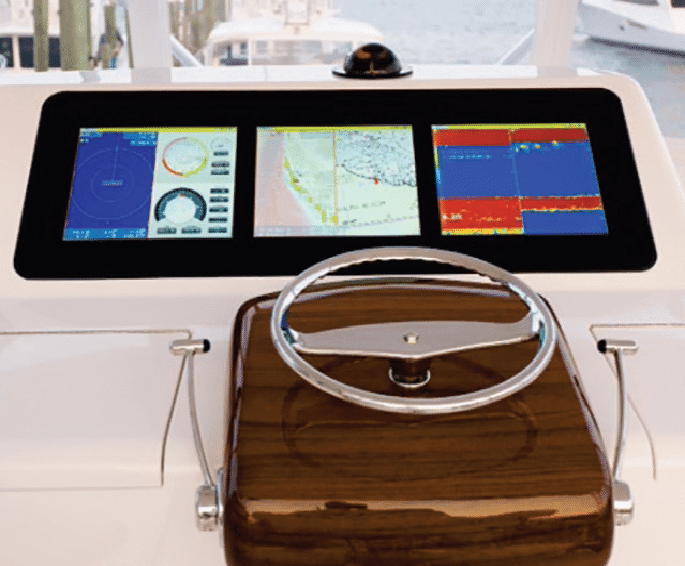
Their configurable layouts allow boatbuilders to create a cohesive helm design while accommodating navigation, monitoring, and other onboard display requirements.
- Marine Computers: Seatronx Marine Computers provide rugged computing hardware for onboard applications where reliability is essential. Designed to withstand vibration, temperature changes, and demanding marine conditions, these computers can support navigation, monitoring, and other vessel systems when configured with compatible software.
- Digital Matrix Switching Command Center: The Seatronx Digital Matrix Switching Command Center allows operators to manage and distribute multiple video sources across connected displays.
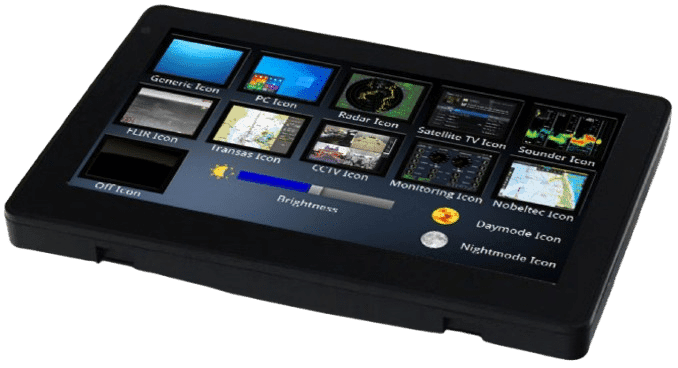
This makes it particularly useful for bridge workstations where crews need access to information from different systems without dedicating a separate monitor to every source.
2. ECDIS and ECS: The Future of Electronic Navigation
Electronic navigation continues to be an important area of development for commercial vessels. Both Electronic Chart Display and Information Systems (ECDIS) and Electronic Chart Systems (ECS) provide digital charting capabilities, but they serve different operational and regulatory requirements.
ECDIS is a regulated navigation system that, when properly approved, installed, and operated with the required chart data and backup arrangements, can satisfy applicable chart carriage requirements.
ECS electronic charting and navigation information does not automatically meet the requirements of a type-approved ECDIS installation. It is commonly used where ECDIS is not mandatory or as part of other navigation arrangements.
As electronic navigation develops, operators need to consider more than the charting software itself. Display color accuracy, screen visibility, system compatibility, and dependable computing hardware all play a role in navigation system performance.
Looking toward 2027, the ongoing modernization of electronic chart data and ECDIS performance standards will make careful equipment selection and compatibility planning particularly important.
What to Watch in 2027: Continued modernization of electronic navigation systems, greater integration with bridge equipment, and growing attention to hardware compatibility and regulatory requirements.
Seatronx Solutions:
- ECDIS Marine Series Panel PC : Designed for electronic navigation applications, the ECDIS Marine Series Panel PC combines computing capabilities and a marine display in one unit.
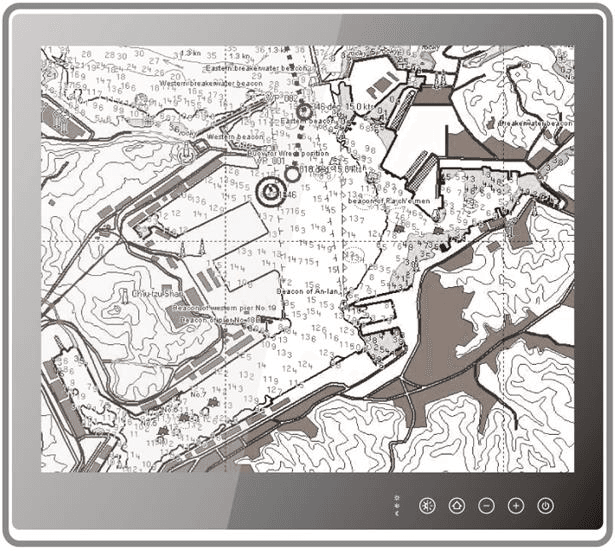
It features ECDIS color calibration, fanless cooling, and dedicated DAY, DUSK, and NIGHT modes to support clear chart viewing under different bridge lighting conditions.
- MPPC Series Marine Panel PC: The MPPC Series offers an integrated touchscreen and marine computer designed for ECS applications. With optional ECDIS color calibration and NMEA 0183 connectivity, it provides a flexible hardware option for electronic charting installations where space, compatibility, and reliable operation are important.
- ECDIS/ECS Marine Display Series: Seatronx ECDIS/ECS Displays are designed for electronic charting applications that require dependable image quality and marine-grade construction. Available with optional ECDIS color calibration and different mounting configurations, these monitors give system integrators flexibility when designing or upgrading navigation workstations.
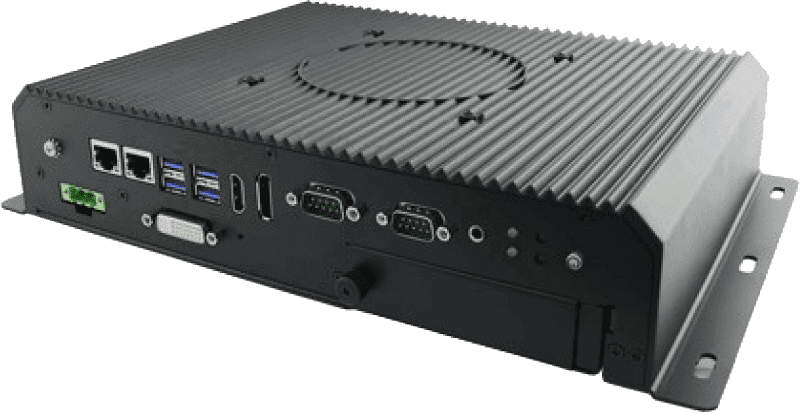
- MPC-E10-1300 ECS Computer: The MPC-E10-1300 is a rugged marine computer designed for ECS installations. Its multiple NMEA 0183 ports support connections to compatible navigation equipment, making it a practical option for electronic charting systems that require reliable data communication and onboard computing.
3. Rugged, High-Visibility Marine Displays
A marine display needs to remain readable and dependable whether a vessel is operating in bright sunlight, heavy rain, or low-light conditions.
As more vessel functions move to digital interfaces, display performance becomes increasingly important. Operators need screens that provide clear information without constant adjustments, while equipment must withstand the environmental conditions associated with marine operations.
Several features are particularly relevant when selecting displays for modern vessels:
- Sunlight readability: High-brightness screens help maintain visibility in direct sunlight.
- Optical bonding: Reduces internal reflections and improves screen clarity.
- Waterproof protection: Sealed enclosures and connectors help protect equipment from water and environmental exposure.
- Touchscreen performance: Allows operators to interact directly with onboard systems.
- Night dimming: Helps maintain comfortable viewing conditions during nighttime operations.
These requirements are particularly important for outdoor helm stations, commercial workboats, and vessels operating in challenging environments.
What to Watch in 2027: Continued demand for high-brightness, waterproof displays that combine clear visibility with flexible installation and control options.
Seatronx Solution:
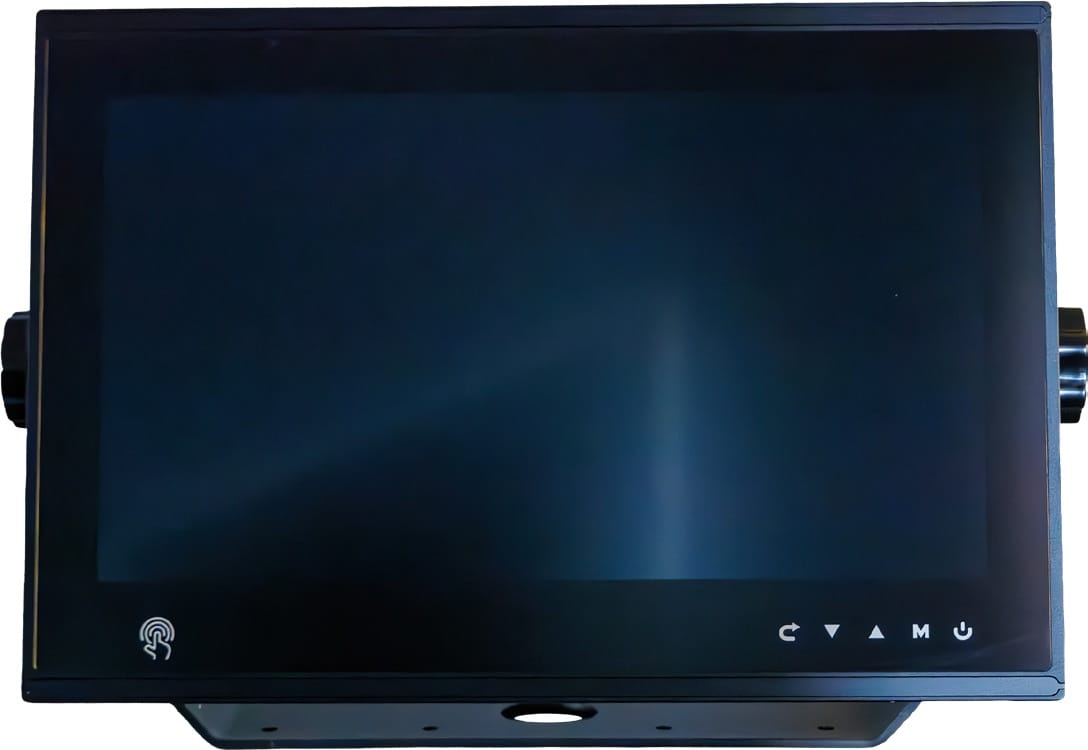
- SXT Series Sunlight-Readable Touch Monitors: The SXT Series is designed for demanding marine environments where screen visibility and protection from the elements are essential. Featuring 1,000–1,500 nits of brightness, optical bonding, and PCAP multi-touch technology, these monitors remain readable in bright sunlight, including when wearing polarized sunglasses. An IP67-rated front face, IP66 enclosure, and watertight connection design provide additional protection against water and environmental exposure
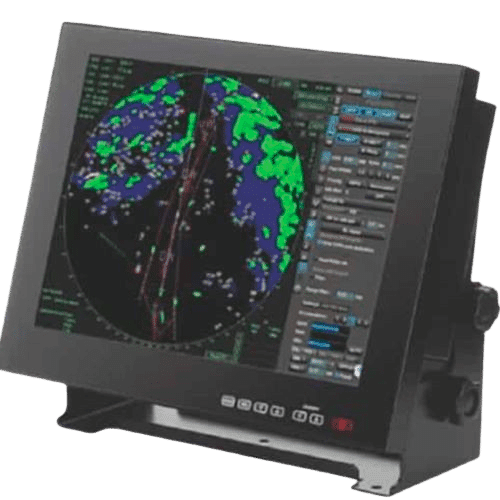
- XT Series Waterproof Marine Displays: The XT Series provides a fully sealed display solution for marine applications exposed to water and harsh operating conditions. With IP68 protection, sunlight-readable screens, and waterproof connectors, these displays are built for installations where conventional monitors may not withstand the environment.
4. AI-Assisted Navigation and Vessel Automation
Automation is becoming a bigger part of marine operations, with technology being developed to assist crews with navigation, vessel monitoring, and routine operational tasks.
AI-assisted systems can help process information from cameras, sensors, and other onboard equipment. Depending on the application, this may include identifying potential hazards, monitoring vessel conditions, or supporting navigation decisions.
The International Maritime Organization (IMO) is also working on a regulatory framework for Maritime Autonomous Surface Ships (MASS), reflecting the industry’s growing attention to remotely operated and autonomous vessel technologies.
Although fully autonomous shipping is still developing, many of the technologies involved also have applications on conventionally crewed vessels.
For equipment manufacturers and system integrators, these developments bring additional attention to onboard computing capabilities, system reliability, and the interfaces crews use to monitor automated operations.
What to Watch in 2027: Continued development of navigation assistance, remote monitoring, and automated vessel functions, along with greater attention to the hardware supporting these systems.
5. Mission-Critical Electronics for Naval and Defense Applications
Marine electronics used in naval and defense environments face some of the industry’s most demanding operating conditions. Equipment may be exposed to constant vibration, shock, moisture, temperature changes, and extended periods of continuous operation.
Reliability is essential, but it’s not the only consideration. Defense contractors and system integrators also need equipment that meets specific environmental and electromagnetic compatibility requirements, fits within existing control stations, and remains practical to maintain throughout its service life.
As naval platforms incorporate more digital systems, rugged displays and operator controls continue to play an important role in command centers, surveillance stations, and onboard control systems.
High-resolution displays allow operators to view detailed information, while sealed keyboards and trackballs provide dependable input options in environments where conventional equipment may not be suitable.
What to Watch in 2027: Continued focus on rugged computing and display technology, dependable operator interfaces, and equipment designed for long-term use in demanding defense applications.
Seatronx Solutions:
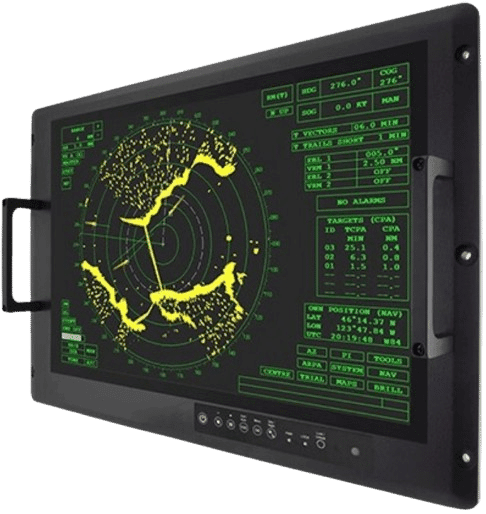
- SEA4K Defense Display Series: The SEA4K Defense Series delivers 4K Ultra HD resolution for military and naval applications that require detailed visual information. Built for demanding operating environments, these rugged displays are designed to meet applicable military environmental and electromagnetic compatibility requirements, making them suitable for integration into command, control, and surveillance workstations.
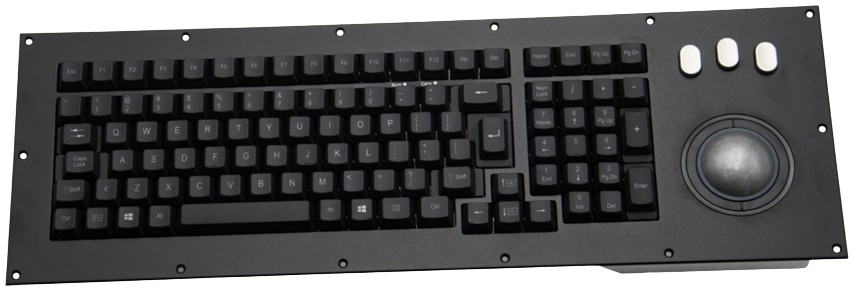
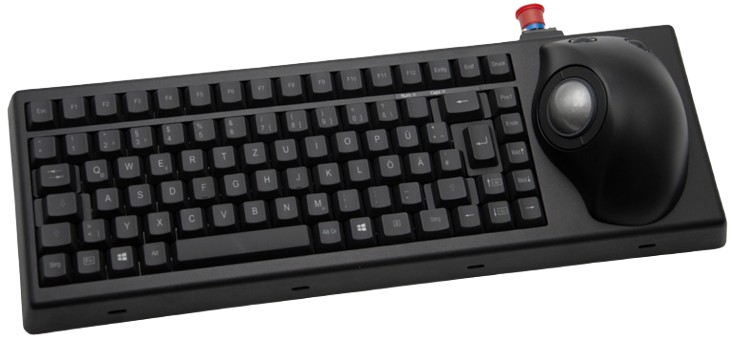
- MKBL107 MIL-SPEC Rugged Keyboard: The MKBL107 is a rugged keyboard designed for demanding military and industrial environments. Featuring IP65 sealing, illuminated keys, and an integrated trackball, it combines keyboard and cursor control in one unit while providing protection against dust and water exposure.
- MKBE87 MIL-SPEC Rugged Keyboard: Designed for compact military control stations, the MKBE87 combines a rugged keyboard with an integrated optical trackball. Its anti-vibration design and optional NVIS-compatible backlighting make it suitable for applications where dependable controls and visibility under specialized lighting conditions are important.
Preparing for the Next Generation of Marine Electronics
The marine electronics industry is moving toward more connected, capable, and specialized systems. From electronic navigation and integrated bridges to automation and defense applications, these developments are influencing the equipment decisions being made today.
For shipbuilders, fleet operators, and system integrators, preparing for 2027 means considering how new technologies will fit into existing operations. Compatibility, environmental protection, ease of maintenance, and long-term reliability remain important factors when selecting onboard electronics.
Seatronx provides a range of marine displays, computers, panel PCs, keyboards, and control solutions designed for demanding maritime applications.
Whether you’re planning a new vessel installation or upgrading existing equipment, our team can help you explore hardware options that meet your project requirements.